
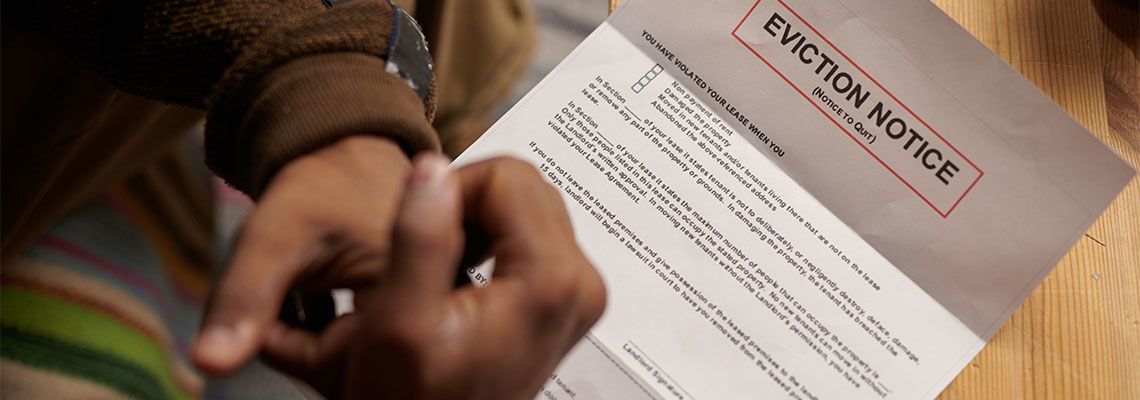
Eviction Defenses Tenants Can Use to Fight Unlawful Removal
Evictions can be devastating, especially when a landlord tries to force a tenant out through unlawful removal. Florida law strictly prohibits actions such as changing locks, cutting off utilities, or seizing a tenant’s belongings without a court order. Tenants who know their rights can often stop these illegal tactics before losing their homes.
At Venessa Bornost, P.A., in Dunedin, Florida, I proudly serve clients throughout Hillsborough and Pasco Counties facing an unlawful eviction. Additionally, I have the resources, knowledge, and experience to help tenants facing unlawful removal and can gladly hold landlords accountable when the law is broken. If your landlord is trying to evict you unfairly, contact my office today to protect your rights.
What Counts as Unlawful Removal in Florida
In Florida, a landlord can’t remove a tenant without following the court-approved eviction process. When a landlord takes matters into their own hands, that action becomes unlawful removal, and tenants have the right to take legal action. Some common examples of unlawful removal include:
Changing locks or access codes: Locking a tenant out of their home without a court order violates Florida law.
Disconnecting utilities: Shutting off water, power, or air conditioning to pressure a tenant to leave is strictly illegal.
Removing personal property: A landlord can’t discard or seize tenant belongings without completing the proper legal process.
These situations can escalate quickly, which is why tenants should act immediately when they suspect unlawful removal. Addressing these issues early often prevents further harm and strengthens a tenant’s legal position.
Valid Reasons Landlords Can Pursue Eviction
While tenants have strong rights, landlords can still evict for legitimate reasons when they follow the law. Common grounds include unpaid rent, material lease violations, or the natural end of a lease term. Recognizing the difference between a valid eviction and unlawful removal helps tenants respond appropriately.
If a landlord’s stated reason doesn’t fit these lawful grounds or lacks documentation, it may signal an improper attempt to remove a tenant. Knowing this distinction allows renters to challenge unfair eviction actions and hold the landlord accountable through the court system.
Improper Notice as a Tenant Defense
One of the most common mistakes landlords make is failing to give proper notice before filing for eviction. Florida law requires strict notice periods depending on the reason for the eviction, and missing these requirements can make the action invalid. Some of the most frequent notice errors include:
Incorrect notice length: According to the Florida Department of Agriculture and Consumer Services, a three-day notice for nonpayment must clearly list the overdue rent and exclude late fees.
Failure to deliver notice properly: Notices must be posted or delivered following statutory guidelines.
Vague or incomplete language: Notices must specify the exact lease violation and timeframe to fix it.
When a landlord fails to follow these rules, the tenant may have a strong defense to stop unlawful removal. Courts often dismiss eviction cases when procedural notice requirements aren’t met.
Procedural Errors in the Eviction Process
Even if proper notice was given, landlords must also follow strict procedural steps when filing an eviction. Missing documents, improper service, or filing in the wrong jurisdiction can all lead to dismissal. These technical errors often give tenants leverage to pause or fight the case.
By carefully reviewing court filings, tenants can identify mistakes that may render the eviction invalid. When those errors appear in the record, they can form the basis for challenging a landlord’s attempt at unlawful removal in court.
Retaliatory Eviction as an Illegal Practice
Florida tenants are protected from eviction that results from exercising their legal rights. If a landlord tries to remove a tenant for requesting repairs, reporting unsafe conditions, or joining a tenant organization, that’s considered retaliatory and can be classified as unlawful removal.
To prove retaliation, timing and documentation are key. When an eviction notice closely follows a tenant complaint or repair request, it raises serious legal concerns about the landlord’s motives. Tenants should always keep records of communications and repair requests to strengthen this defense.
Discrimination and Fair Housing Violations
Evictions based on discrimination violate both federal and Florida law. Landlords can’t evict tenants because of race, color, religion, national origin, disability, familial status, or sex. When a landlord’s actions suggest bias, the eviction may be challenged as unlawful removal.
Evidence of discriminatory behavior, such as biased remarks or unequal treatment compared to other tenants, can help support this defense. Reporting discrimination promptly to the proper authorities assures that tenants’ rights are protected throughout the process.
Failure to Maintain Habitable Conditions
Florida landlords must maintain properties that meet basic health and safety standards. If a landlord ignores serious maintenance issues—such as plumbing leaks, mold, or electrical problems—a tenant may have legal grounds to withhold rent or defend against eviction. Some of the most common habitability issues that lead to disputes include:
Unsafe or unsanitary living conditions: Unaddressed hazards may violate local housing codes.
Broken utilities or appliances: Tenants have the right to functioning essentials like water and air conditioning.
Pest infestations or structural defects: These issues can make a home unlivable under Florida law.
A landlord’s neglect can create conditions so severe that continued occupancy becomes unreasonable for the tenant. When landlords fail to act, attempting to evict a tenant instead of making repairs may be viewed as unlawful removal and could expose them to damages.
Acceptance of Rent After Filing for Eviction
If a landlord accepts rent after filing an eviction case, it can nullify the eviction action. Doing so often indicates that the landlord has reinstated the tenancy, which undermines their claim for removal. Tenants should document every payment carefully in these situations.
Courts take these details seriously and may dismiss an eviction if rent was accepted after filing. This defense can be a powerful tool in preventing unlawful removal when used with clear evidence and timely legal guidance.
Self-Help Eviction and Tenant Remedies
Self-help eviction is one of the clearest forms of unlawful removal. It occurs when a landlord bypasses the court and tries to physically force a tenant out. Tenants facing this situation can pursue immediate remedies under Florida law. Some available remedies for tenants include:
Filing for an injunction: This can stop the landlord from continuing illegal actions.
Seeking monetary damages: Tenants may recover compensation for losses caused by unlawful removal.
Requesting attorney’s fees: Courts may order the landlord to pay legal costs when they act unlawfully.
Acting quickly can prevent further harm and help tenants regain access to their homes before the situation worsens. Quick action helps preserve a tenant’s rights and often restores possession of the property more efficiently than waiting for the eviction process to end.
Defending Against Eviction in Court
Tenants have the right to tell their side of the story in court. Responding to the eviction complaint on time and showing up at the hearing are critical steps. Evidence such as payment records, photographs, and communications can make a major difference.
As an experienced eviction attorney at Venessa Bornost, P.A., I guide my clients through each stage of the process, making sure they understand their defenses and options. By presenting a clear case backed by documentation, tenants can challenge a landlord’s claims and protect themselves from unlawful removal.
Protect Your Home and Stand Up to Unlawful Removal
No tenant should lose their home because a landlord ignored Florida’s eviction laws. Acting quickly can make the difference between keeping your home and being forced out through unlawful removal. I’m here to make sure your rights are protected every step of the way.
At Venessa Bornost, P.A., I proudly serve clients in Dunedin, Florida, and throughout Hillsborough County and Pasco County. If you believe your landlord is trying to evict you illegally, don’t wait. Contact my office today to discuss your situation and take control of your housing rights.